
Di Bufala Sport Club · Futsal Journal
The Coach’s Role: Helping a Team Learn
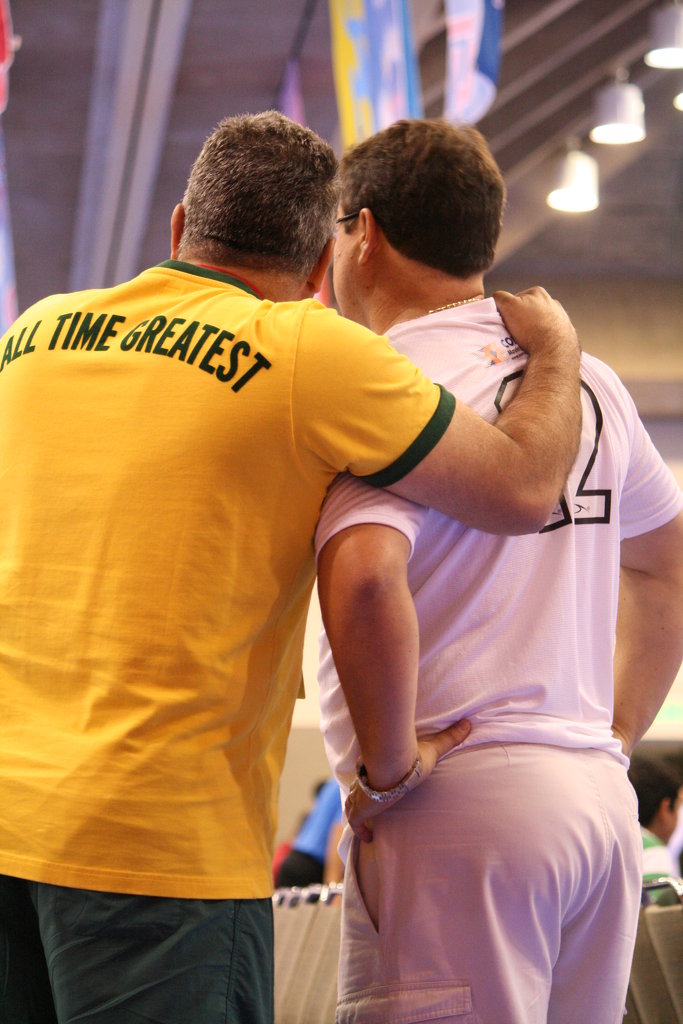
A futsal coach helps a group of players make sense of a fast game. The role is not to control every touch. It is to help the team prepare, notice what is happening and find ways to respond together.
Give practice a purpose
A useful session connects an exercise to something players will meet on court: receiving under pressure, supporting the ball, recovering after losing it or communicating through a rotation. Players learn more when they understand what they are practicing and why.
Make the game easier to read
Futsal decisions arrive quickly. A coach can help players recognize a pressing cue, a passing lane or an unmarked teammate. Clear, simple reminders give players a reference point; too many instructions can make it harder to see the game for themselves.
Adjust to the people in front of you
Amateur teams bring different schedules, experience and confidence to the court. A coach works with the group that is there, setting a clear objective and helping players improve without pretending every team has the same time or resources.
During a match, a change in shape or a substitution can help, but no adjustment replaces the players’ decisions. The coach can offer a different view; the team still has to communicate, trust one another and carry it out.
The work continues after the whistle
Good coaching includes listening as well as instruction. What did the players see? Which part of the plan helped? What should the team try next time? Honest conversations make room for learning and keep feedback focused on actions the group can change.
At Di Bufala, coaching is part of a club that has grown around futsal since 1989. The aim is simple: help people learn the game, compete with purpose and keep building the team together.