

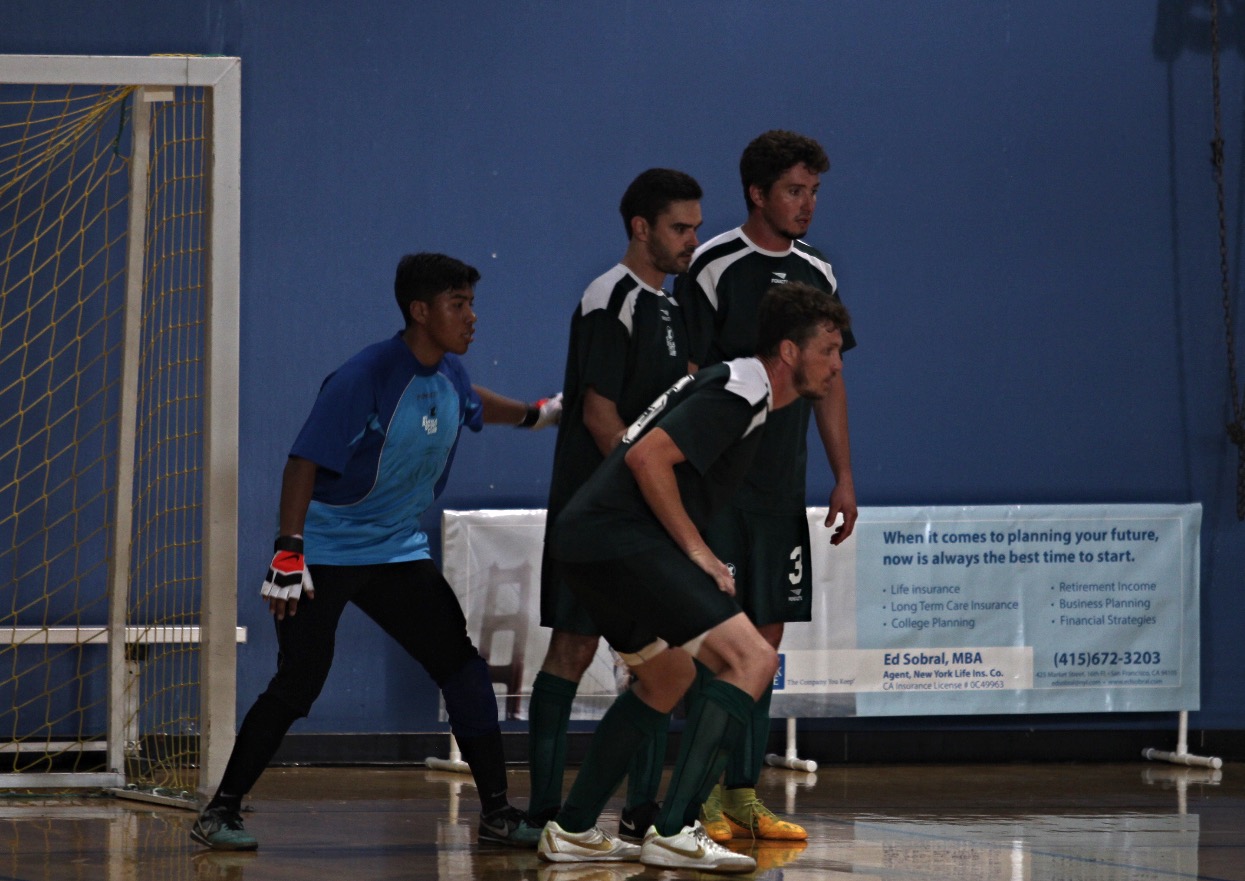
Building a Winning Team Culture in Futsal
In futsal, there is nowhere to hide. The court is small, the pace is relentless, and every decision is magnified. Mistakes are exposed immediately, but so are discipline, trust, and commitment. This is why futsal has long been considered not just a game, but a test of culture.
“Futsal tells the truth,” one coach explains. “You can’t fake effort or understanding. The game shows exactly who you are as a team.”
Winning in futsal begins long before the first whistle. It starts with a culture built on shared standards, accountability, and collective purpose—values that reveal themselves every time the ball is in play.
The Power of the Collective
Unlike other formats of the game, futsal leaves little room for individual isolation. The reduced space and speed demand constant support, movement, and awareness.
“In futsal, the ball moves faster than any player,” a veteran player says. “If you hold onto it too long, you hurt the team.”
The strongest teams are not defined by individual brilliance, but by how well they function as a unit. Quick passes, intelligent rotations, and coordinated pressing are not just tactical choices—they are cultural ones. Players who embrace collective play elevate the entire group, turning individual skill into shared success.
Accountability Without Excuses
With only four outfield players, accountability is unavoidable. Every action has consequences, and every lapse is visible.
“There’s no hiding behind teammates,” a coach notes. “If you switch off for a second, everyone sees it—and the scoreboard usually does too.”
Winning teams embrace this reality. Instead of pointing fingers, players take responsibility for mistakes and respond with intensity. Accountability becomes a shared expectation, reinforcing trust and resilience within the group.
Communication as a Competitive Advantage
In a game played at such speed, silence is costly. Defensive shifts, pressing triggers, and attacking rotations depend on clear, constant communication.
“The best teams I’ve played on talked all the time,” recalls a former captain. “Not shouting—guiding, organizing, helping each other.”
Effective communication brings calm to chaos. It allows teams to stay organized under pressure and enables leadership to emerge naturally on the court. In futsal, talking is not optional—it is part of the game’s rhythm.
Trust Creates Speed
Speed in futsal is not just physical; it is mental. The ability to play one-touch, make blind runs, and rotate seamlessly depends on trust between teammates.
“When you trust the guy next to you, you play faster,” a player explains. “You don’t think twice—you just act.”
That trust is built through repetition, honesty, and shared commitment. Teams with strong cultures remove hesitation from their game, allowing creativity and tempo to flourish.
Total Commitment in Every Moment
Futsal demands complete players. The same athlete who presses high must recover defensively seconds later. There are no fixed roles, only shared responsibility.
“If someone doesn’t defend, the whole system breaks,” one coach says. “Effort has to be universal.”
Winning cultures set non-negotiable standards for work rate and commitment. When everyone contributes in both attack and defense, respect grows—and so does performance.
Emotional Discipline Under Pressure
The intensity of futsal tests emotional control as much as technical ability. Fouls accumulate quickly, momentum shifts suddenly, and frustration can escalate in seconds.
“Games are often decided by who stays calm,” a coach observes. “Emotion can either fuel you or cost you.”
Teams with strong cultures manage these moments well. They protect each other, stay composed, and remain focused on collective goals. Emotional discipline becomes a silent advantage.
Training Reveals the Culture
In futsal, training habits are immediately exposed in matches. Poor spacing, slow reactions, and lack of focus cannot be hidden.
“You play exactly how you train,” a senior player says. “There are no shortcuts in this game.”
Winning teams treat training as sacred. Intensity, concentration, and accountability are daily expectations, reinforcing the identity they bring into competition.
Culture Is the Difference
While talent may win individual matches, culture wins seasons. The most successful futsal teams are those built on trust, communication, accountability, and shared purpose.
“Futsal rewards teams that think and act together,” one coach concludes. “If your culture is strong, the results take care of themselves.”
In a game where everything happens fast, culture is what holds a team together. It is not an accessory to success—it is the foundation upon which winning futsal teams are built.